Crown Thinning in Spitalfields
Crown thinning in Spitalfields is a practical tree care service for homes, businesses, courtyards, and shared outdoor spaces where a tree has become too dense, too shaded, or too heavy in the canopy. In an area like Spitalfields, where mature street trees, courtyard planting, back gardens, roof terraces, and compact urban plots all sit close to buildings and footpaths, the condition of a tree’s crown can make a big difference to light, safety, and day-to-day use of the space.
If you have a tree that feels overgrown but you do not want to remove it or drastically reshape it, crown thinning can be the right answer. The aim is not to make the tree look sparse or stripped back. Instead, it is to remove selected branches in a careful way so that more light passes through the canopy, wind can move more naturally through the crown, and the tree remains balanced, healthy, and attractive.
For property owners in Spitalfields, this service is often requested for very practical reasons: to reduce shading over gardens and windows, help a tree sit more comfortably near a building, improve visibility, ease pressure on branches during windy weather, and create a better environment for homes, shopfronts, offices, cafes, and communal spaces. Contact us today if you are considering tree work and want a sensible, local solution that respects both the tree and the space around it.
What crown thinning means for Spitalfields properties
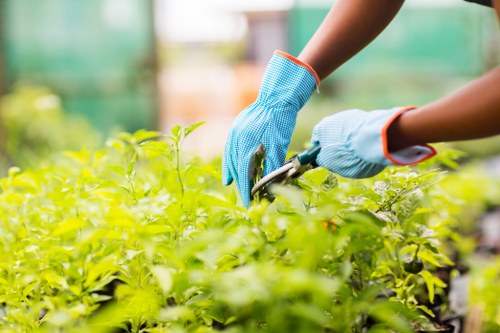
Crown thinning is the selective removal of smaller branches throughout the outer and inner parts of the tree canopy. The process is designed to keep the tree’s overall shape intact while reducing the density of foliage and branch structure. In simple terms, it helps the crown breathe. The tree still looks natural, but it becomes less congested and often performs better in a busy urban setting.
In Spitalfields, trees may stand in narrow gardens behind Georgian or Victorian buildings, in shared courtyards, beside paved access routes, or close to commercial premises where space is limited. Dense growth can block daylight, increase leaf drop in unwanted places, and create a heavier-looking canopy that feels out of proportion to its surroundings. Crown thinning is often chosen because it is subtler than a full reduction and more targeted than general cutting back.
Many local customers ask about crown thinning because they want to keep a mature tree but make it more suitable for the site. That can mean improving light levels for a lower floor flat, reducing the amount of shadow cast over a seating area, or allowing air and rain to pass through more evenly. It can also help maintain a pleasant view from upper windows in a mixed-use area like Spitalfields, where residential and commercial properties often share tight boundaries.
Why people request crown thinning in Spitalfields

Tree crowns become dense for many reasons. Some species naturally produce a lot of fine growth. Others put on extra leaf mass after a period of strong weather or following previous pruning. In an urban area, trees may also reach sideways toward open light, causing the canopy to thicken unevenly. When that happens, the tree can start to dominate a small plot or create practical issues for the people using the space.
Spitalfields has a mix of building ages, plot sizes, and land uses, so the reasons for thinning are often quite specific. A homeowner may want a brighter kitchen window or a more usable garden. A landlord may need to reduce excessive shading for tenants. A business may want to keep an entrance more open and welcoming. A building manager may need to lessen wind drag on a tree close to a boundary wall or reduce branches brushing against facades, gutters, or signage.
There are also seasonal reasons. During summer, an overly thick canopy can block the kind of natural light that makes small outdoor spaces enjoyable. In autumn, dense crowns can contribute to a heavy leaf fall burden. During windier periods, a crowded canopy can catch more gusts than necessary. Careful crown thinning can make all of these situations easier to manage without turning the tree into an unattractive stump of bare limbs.
How crown thinning is carried out

A good crown thinning job starts with a proper assessment of the tree. The arborist considers the species, size, age, condition, natural habit, and location before deciding how much growth to remove. The work should be selective and balanced. Rather than cutting randomly, the aim is to remove branches from around the crown in a way that distributes light and preserves the tree’s structure.
Typically, thinning focuses on smaller branches rather than large limbs. The work may involve taking out crossing shoots, inward-growing twigs, crowded branchlets, or weakly positioned growth that adds little to the tree’s strength. The best results usually come from subtle, well-judged pruning that improves the canopy while leaving the tree looking established and healthy.
In a dense urban setting, precision matters. A tree close to a building may need particular attention around windows, chimneys, gutters, cables, or neighbouring roofs. A tree in a courtyard may require extra care because access is limited and there is little room for equipment or debris. A local team familiar with crown thinning in Spitalfields is better placed to work neatly in these conditions and keep disruption to a minimum.
Benefits of crown thinning for local homes and businesses
The benefits of crown thinning go beyond appearance. One of the main reasons customers choose the service is to improve the amount and quality of light reaching nearby spaces. A thinner crown allows more daylight to filter through, which can make a garden feel larger, a room feel brighter, and a courtyard feel more comfortable. For ground-floor flats or offices with limited external space, that improvement can be significant.
Another benefit is better airflow. When wind can move more naturally through the canopy, the tree may experience less resistance. That can reduce the stress placed on the tree in exposed spots and may help limit the risk of branches rubbing against each other. A more open crown can also make the tree feel less top-heavy and more suitable for built-up areas where strong gusts can be a concern.
Customers also value the visual effect. A carefully thinned tree often looks cleaner and more refined while still keeping its natural character. It can frame a building more attractively, stop a front garden from feeling enclosed, and help mature planting look intentional rather than unruly. For shopfronts, cafes, and commercial courtyards in Spitalfields, that can make the outside space feel more inviting to staff, visitors, and customers.
Request a free quote if you want to improve light, balance, and use of space without taking away the presence of a mature tree.
What is included in a crown thinning service
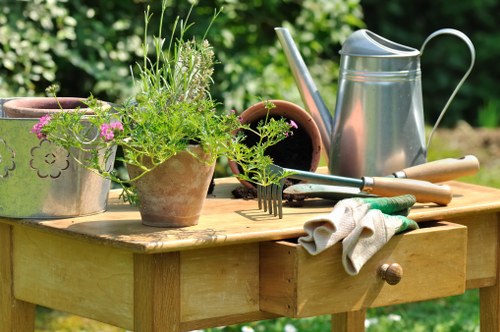
People often want to know what they are actually getting when they book crown thinning. A professional service normally includes a site assessment, a discussion of the tree’s condition and the issues you want to address, and the careful selective removal of suitable branches. It should also include tidy work practices and sensible planning for access, waste handling, and protection of nearby surfaces where needed.
Depending on the tree and the site, a crown thinning visit may involve:
- Assessing the tree’s species, health, structure, and growing space
- Identifying branches that can be removed without spoiling the natural shape
- Reducing overall canopy density in a balanced, measured way
- Removing crossing, rubbing, crowded, or weakly placed shoots
- Keeping the tree’s character intact rather than over-pruning it
- Clearing and removing arisings from the work area
- Leaving the site as tidy as practical once the pruning is complete
Some trees may need crown thinning combined with another form of pruning, such as crown lifting or light deadwood removal. The exact approach depends on the tree and the problem being solved. The aim should always be to choose the least intrusive method that gives the right result.
When crown thinning is the right choice
Crown thinning is useful when the tree is generally in good condition but has too much internal density. If your main concern is shade, airflow, or a heavy visual presence, thinning is often more appropriate than reduction. It is also a sensible option when you want to retain a mature tree that adds value and character to the site but needs to be more manageable in a compact urban location.
This service is often a good fit if you are noticing:
- Excessive shade over gardens, patios, windows, or terraces
- Limited daylight in lower rooms or small outdoor areas
- A canopy that feels too dense or heavy
- Branches crowding one another within the crown
- Reduced airflow around the tree and nearby buildings
- Frequent leaf build-up in places that are difficult to clear
- Branches interfering with a boundary, walkway, or facade
It may be less suitable if the tree is very stressed, structurally weak, or already reduced too heavily in the past. In those cases, the pruning approach needs to be more cautious. A proper assessment helps prevent work that might make the tree look lopsided or cause unnecessary stress.
Local conditions in Spitalfields that affect tree work
Spitalfields is an area where practical site conditions matter. Many properties are close together, some access routes are narrow, and parking or loading space can be limited. That makes tree work more complicated than it might be on a larger suburban plot. The person doing the job needs to think about how to reach the tree, how to manage branches and debris, and how to keep disturbance down for neighbours and passers-by.
There is also a mix of property types to consider. You may have a period home with a small rear garden, a converted building with shared outdoor access, a modern flat with a terrace, or a commercial premises with trees in a front planter or side yard. Each setting brings different requirements. For example, work near a busy entrance may need extra planning to avoid blocking access, while work in a courtyard may need careful handling of waste and equipment.
Because of these local conditions, customers often prefer a team that already understands the area. Familiarity with the layout, typical access constraints, and everyday traffic patterns can make scheduling and completion smoother. It also helps when a service provider knows how to work neatly around neighbours, loading areas, and the wider rhythm of the local streets.
What local residential customers often ask for
Homeowners and tenants in Spitalfields tend to ask for crown thinning for very practical reasons. In many cases, they want more light into a small garden or brighter rooms inside the property. A mature tree may be valued for privacy and character, but its crown can still become too dense over time. Thinning can be a good compromise between keeping the tree and making the property more liveable.
Common residential requests include:
- Improving light for a kitchen, living room, or bedroom window
- Reducing shade over a patio, seating area, or planting bed
- Creating a better balance between a tree and a compact garden
- Lessening leaf fall in difficult-to-reach spaces
- Making a tree feel more suitable for a small urban plot
Many residents also want the work done with care because nearby homes may be close together. A tidy, considerate approach matters. Noise, waste, and access should all be handled in a way that respects the people living next door and the shared nature of many local properties.
What local commercial customers often need
Commercial customers in and around Spitalfields may have different priorities. A business might want a better first impression at the entrance, clearer sightlines to signage, or more light for outdoor seating. An office manager may want a tree to feel less overbearing beside a façade or courtyard. A landlord or building operator may need routine pruning to keep the site presentable and comfortable for users.
For commercial premises, crown thinning can help with:
- Maintaining a neat and welcoming exterior
- Improving natural light around entrances and windows
- Reducing the sense of enclosure in tight outdoor areas
- Keeping a shared courtyard more usable for staff or tenants
- Helping trees sit better beside signage, paths, and building edges
In a busy district with mixed-use streets, timing and efficiency are important. Work may need to be scheduled around opening hours, deliveries, resident access, or quieter periods on site. A local company can usually plan more realistically around these needs.
Preparation checklist before the work begins
Good preparation helps the visit run smoothly. Before crown thinning takes place, it is useful to think about access, parking, nearby items that may need moving, and any concerns you want the arborist to address. If the tree is in a shared area, it may also help to let neighbours or building management know that work is due to happen.
Here is a practical checklist:
- Identify which tree or trees need attention
- Note the main issue: shade, clearance, density, or appearance
- Check whether there are obstacles near the tree, such as furniture, planters, or bikes
- Make sure access gates or shared entrances can be opened easily
- Consider where a vehicle might reasonably stop if loading is needed
- Tell the team about any overhead lines, fragile surfaces, or restricted areas
- Remove any items from the immediate work zone if possible
It is also worth deciding what result you want. Some customers want a subtle improvement in light. Others want the crown opened up more noticeably while keeping a mature look. Clear expectations help the pruning be tailored to your property rather than treated as a one-size-fits-all job.
Pricing factors for crown thinning
People often want to understand what affects the cost of crown thinning before they book. While exact prices vary from job to job, the main factors are usually the tree’s size, species, condition, and location. Access matters too. A tree that is easy to reach in an open garden is generally simpler to work on than one tucked into a tight courtyard or positioned near a building where extra care is needed.
Typical pricing factors may include:
- Height and spread of the tree
- How dense the crown is
- Whether special access methods are required
- Proximity to buildings, fences, or neighbouring property
- How much waste will need to be removed
- Whether multiple trees are being worked on during the same visit
In Spitalfields, access and logistics can play a bigger role than in more open suburban locations. Narrow streets, limited parking, and shared access routes can influence the time and resources needed to complete the work properly. A clear quotation should reflect the real site conditions, not just the tree’s size on paper.
Why choose a local company for crown thinning in Spitalfields
Choosing a local tree care team brings practical advantages. A crew familiar with the area is more likely to understand parking limitations, access restrictions, and the mix of residential and commercial settings around Spitalfields. That means fewer surprises when it comes to arranging the visit and carrying out the work.
Local knowledge also helps with judgement. Trees in built-up inner-city locations often need a different approach from those in open suburban gardens. A local specialist is more likely to be comfortable with narrow access, adjoining properties, roof-level considerations, and the need to work neatly in view of neighbours or customers.
There is also value in having a service provider who can respond flexibly to the practical realities of your property. If you need work carried out at a convenient time, or if the site has unusual access challenges, a nearby team may be better placed to plan the job around those constraints. Book your service now if you want a tree care solution tailored to local conditions.
Areas covered around Spitalfields
Although the focus here is crown thinning in Spitalfields, many customers also need work carried out in nearby parts of east and central London. Properties in the surrounding area often share the same practical issues: compact outdoor spaces, close neighbours, mixed-use buildings, and a need for neat, respectful workmanship.
Nearby areas commonly included in local service coverage may involve:
- Brick Lane
- Shoreditch
- Whitechapel
- Aldgate
- Liverpool Street
- Stepney
- Wapping
- Bethnal Green
If your property sits on the edge of Spitalfields or just beyond it, it is still worth making an enquiry. Tree work is often easier to organise when the team understands the local street pattern and the sort of access that tends to be available in nearby neighbourhoods.
Frequently asked questions
Will crown thinning make my tree look sparse?
Not when it is carried out properly. The goal is selective pruning, not stripping the crown. A good result should still look natural, with the tree retaining its shape and character.
Is crown thinning the same as crown reduction?
No. Crown thinning removes selected smaller branches to reduce density. Crown reduction lowers or shortens the overall size of the canopy. They solve different problems, although sometimes a tree may need more than one type of pruning approach.
How often does a tree need thinning?
That depends on the species, growth rate, and location. A tree in a tight urban site may need attention more regularly than one in a larger open space. The right interval is based on the tree’s condition and how it is affecting the property.
Can thinning help with shading over my garden or flat?
Yes, it often can. Thinning reduces canopy density, allowing more daylight through. It will not remove all shade, but it can make a noticeable difference where light is limited.
Do I need permission before tree work?
Some trees may be protected by a Tree Preservation Order or may be in a conservation area. If that applies, checks may be needed before any work starts. It is sensible to ask about this early so the right steps can be taken.
Will the work create a mess?
Professional tree work should be done with tidy site management in mind. Branches and arisings are usually cleared away once the work is complete, and care should be taken to keep surrounding surfaces as clean as possible within the limits of the job.
What a good service experience should feel like
When customers book crown thinning, they usually want more than just a quick cut. They want the tree assessed properly, the work explained clearly, and the site treated with respect. In Spitalfields, that means understanding the realities of urban access, shared spaces, and nearby properties. It also means communicating in a straightforward way so you know what is being done and why.
A well-handled job should leave you with a tree that looks better suited to its setting and a space that feels more pleasant to use. Whether that is a private courtyard, a shopfront, a communal garden, or the boundary of a managed property, the aim is to make the tree more compatible with daily life while keeping it healthy and attractive.
If your tree feels too dense, is stealing too much light, or is simply outgrowing its setting, now is a sensible time to act. Contact us today to discuss crown thinning in Spitalfields, request a free quote, or book a visit that works around your property’s access and schedule.
Final thoughts for Spitalfields property owners
Crown thinning is one of the most useful tree care services for busy urban neighbourhoods because it solves a common problem without removing the benefits of a mature tree. It can improve daylight, reduce crowding, make outdoor areas feel more open, and help a tree sit more comfortably within a tight built environment.
For Spitalfields residents, landlords, and business owners, the value of the service is often practical as well as visual. A carefully thinned crown can make a small space easier to enjoy, reduce pressure on nearby structures, and help a tree continue to contribute positively to the property. When the work is planned properly, it is a calm, measured solution that respects both the tree and the setting around it.
Request a free quote if you want to explore the best approach for your tree. If crown thinning in Spitalfields is likely to help, a local tree care team can assess the site, discuss the most suitable pruning method, and arrange the work with minimal disruption.